
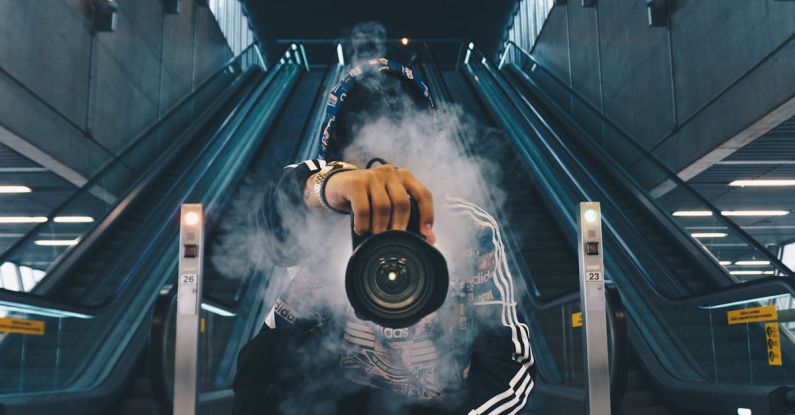
Capturing stunning images of marine wildlife can be a thrilling and rewarding experience for any photographer. From majestic whales to colorful coral reefs, the ocean is teeming with life waiting to be captured through the lens of a camera. However, photographing marine wildlife comes with its own set of challenges, such as dealing with unpredictable subjects and the elements of the sea. To help you elevate your marine wildlife photography skills, here are some of the best tips to keep in mind.
Understanding Your Subject
Before embarking on a marine wildlife photography expedition, it is crucial to have a good understanding of the behavior and habits of the creatures you wish to photograph. Different marine animals have unique patterns of movement and tendencies, so taking the time to research and observe them beforehand can greatly increase your chances of capturing that perfect shot. By knowing when and where certain species are most active, you can position yourself in the right place at the right time for the best photo opportunities.
Getting the Right Equipment
When it comes to marine wildlife photography, having the right equipment is essential. Investing in a quality underwater camera or a waterproof housing for your existing camera is crucial for capturing clear and vibrant images beneath the surface. Additionally, using a telephoto lens can help you get closer shots of distant marine creatures without disturbing them. It is also important to have the necessary accessories, such as a lens hood to reduce glare and a sturdy tripod to keep your camera stable in turbulent waters.
Mastering Composition
Composition plays a vital role in creating visually appealing marine wildlife photographs. When framing your shots, consider the rule of thirds to create a balanced and engaging composition. Position your subject off-center to add interest to your images and make use of leading lines, such as the curve of a fish’s tail or the shape of a coral reef, to guide the viewer’s eye through the photograph. Experiment with different angles and perspectives to capture unique and dynamic shots that showcase the beauty of marine life.
Being Patient and Persistent
Patience is key when it comes to marine wildlife photography. Animals in their natural habitat can be unpredictable, so be prepared to spend extended periods waiting for the perfect moment to capture a shot. Stay calm and observant, and be ready to adjust your settings quickly to adapt to changing conditions. Remember that not every photo will turn out as expected, but persistence and a willingness to learn from your mistakes will ultimately lead to improved photography skills.
Respecting the Environment
As a marine wildlife photographer, it is important to prioritize the well-being of the creatures you are photographing and the environment in which they live. Always follow local regulations and guidelines for interacting with marine wildlife, and avoid disturbing or harassing animals for the sake of a photo. Keep a safe distance from your subjects to avoid causing stress or harm, and never touch or feed them in an attempt to get a better shot. Remember that you are a guest in their world, and it is your responsibility to respect and protect it.
Embracing the Adventure
Marine wildlife photography is a thrilling and adventurous pursuit that allows you to explore the wonders of the ocean and capture its beauty through your lens. Embrace the challenges and uncertainties that come with photographing marine creatures, and let your passion for the natural world drive your creativity. Be open to new experiences and always be ready to adapt to the ever-changing conditions of the sea. With practice, patience, and a deep appreciation for marine life, you can create stunning photographs that showcase the magic and diversity of the underwater world.
In conclusion, mastering the art of marine wildlife photography requires a combination of technical skill, creative vision, and a deep respect for the natural world. By understanding your subjects, investing in the right equipment, mastering composition techniques, and approaching your photography with patience and respect, you can capture breathtaking images that tell a story and inspire others to appreciate and protect our marine ecosystems. So, grab your camera, dive into the depths, and let the beauty of the ocean unfold before your lens. Happy photographing!