
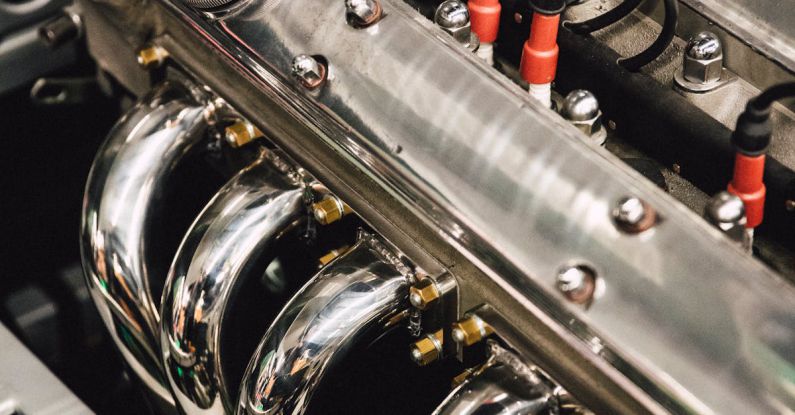
Maintaining your vehicle’s engine is crucial for its longevity and performance. By following a few simple tips, you can ensure that your engine runs smoothly and efficiently for years to come. Here are some of the best practices for engine maintenance that every car owner should know:
Regular Oil Changes
One of the most important tasks in engine maintenance is regular oil changes. Engine oil lubricates the moving parts of the engine and helps to reduce friction and wear. Over time, oil breaks down and becomes less effective, so it is essential to change it regularly. Check your owner’s manual for the recommended oil change interval for your vehicle and stick to it.
Check and Top Up Fluid Levels
Aside from engine oil, other fluids such as coolant, transmission fluid, brake fluid, and power steering fluid play a crucial role in keeping your engine running smoothly. Regularly check these fluid levels and top them up as needed. Low fluid levels can lead to overheating, poor performance, and even engine damage.
Inspect Belts and Hoses
Belts and hoses in your engine play a vital role in the proper functioning of various components. Inspect them regularly for signs of wear, cracks, or fraying. Replace any belts or hoses that show signs of damage to prevent them from failing unexpectedly and causing more significant issues.
Keep Your Engine Clean
A clean engine is a happy engine. Regularly cleaning your engine can help prevent dirt, debris, and grime from building up and causing problems. Use a gentle degreaser and a soft brush to clean the engine bay carefully. Be cautious around sensitive components such as electrical connections and sensors.
Monitor Engine Temperature
Monitoring your engine’s temperature is crucial to prevent overheating, which can lead to severe damage. Keep an eye on the temperature gauge on your dashboard and be alert for any signs of overheating, such as steam coming from under the hood or a sweet smell. If you notice any issues, pull over immediately and allow the engine to cool down before continuing.
Check Air Filters
Air filters prevent dirt and debris from entering the engine and can become clogged over time, reducing airflow and engine performance. Regularly check and replace your air filter according to the manufacturer’s recommendations to ensure that your engine receives clean, filtered air for optimal performance.
Inspect Spark Plugs
Spark plugs play a crucial role in igniting the air-fuel mixture in the engine cylinders. Over time, spark plugs can become fouled or worn out, leading to misfires and poor engine performance. Inspect your spark plugs regularly and replace them if necessary to maintain smooth engine operation.
Listen for Unusual Noises
Your engine often gives you warning signs when something is amiss. Listen for any unusual noises such as knocking, grinding, or squealing, as these can indicate underlying issues that need to be addressed. Ignoring strange engine noises can lead to more significant problems down the line.
Regular Maintenance Checks
Lastly, regular maintenance checks by a qualified mechanic are essential for keeping your engine in top condition. A professional inspection can help identify potential issues before they escalate into more severe problems, saving you time and money in the long run.
In conclusion, proper engine maintenance is key to ensuring the longevity and performance of your vehicle. By following these tips and staying proactive about caring for your engine, you can enjoy a smooth and trouble-free driving experience for years to come. Remember, a well-maintained engine is a happy engine!