
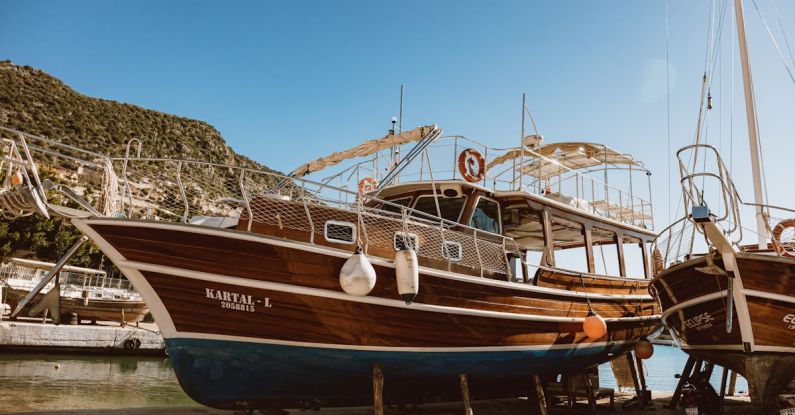
Securing your boat at the dock is a crucial aspect of boating safety that every boat owner should prioritize. Properly securing your boat not only protects your vessel from damage but also ensures the safety of other boats and individuals in the marina. Whether you are a seasoned boater or a novice, understanding the best practices for securing your boat at the dock is essential. In this article, we will discuss some valuable tips and techniques to help you keep your boat safe and secure while it is moored.
Choosing the Right Docking Location
Selecting the appropriate docking location is the first step in ensuring the security of your boat. When choosing a spot at the dock, look for a location that provides adequate protection from wind, waves, and other environmental factors. Avoid areas that are prone to strong currents or high boat traffic, as these can increase the risk of collisions and damage to your vessel. Additionally, consider the size of your boat and ensure that the dock can accommodate it comfortably without overcrowding.
Using Quality Dock Lines
Dock lines are essential for securing your boat at the dock and preventing it from drifting away. Investing in high-quality dock lines that are strong and durable is crucial to ensure the safety of your vessel. Make sure to use the appropriate size and type of dock lines based on the size and weight of your boat. Inspect your dock lines regularly for signs of wear and tear, and replace them as needed to maintain their effectiveness.
Properly Tying Your Boat
Properly tying your boat to the dock is a critical aspect of boat security. When securing your boat, use a combination of bow, stern, and spring lines to keep it in place and prevent excessive movement. Ensure that the lines are securely fastened to cleats or bollards on the dock and that there is minimal slack to prevent your boat from drifting away. Avoid using knots that are prone to slipping, and always double-check your lines to ensure they are secure.
Fender Placement
Fenders play a vital role in protecting your boat from damage caused by contact with the dock or other boats. Properly placing fenders along the sides of your boat can help absorb impact and prevent scratches and dents. Make sure to position the fenders at the appropriate height to provide maximum protection, and adjust them as needed based on the water level and conditions at the dock.
Securing Personal Belongings
In addition to securing your boat, it is essential to safeguard your personal belongings while it is moored at the dock. Remove any valuable items from the deck of your boat and store them securely to prevent theft or damage. Consider installing security measures such as locking compartments or alarms to deter potential intruders and keep your belongings safe.
Regular Maintenance Checks
Regular maintenance checks are crucial to ensuring the security of your boat at the dock. Inspect your dock lines, fenders, cleats, and other mooring equipment regularly for signs of wear, corrosion, or damage. Replace any worn or damaged components promptly to maintain the effectiveness of your boat security measures. Additionally, check the weather forecast before leaving your boat at the dock to anticipate any potential risks and take necessary precautions.
Conclusion: Ensuring the safety and security of your boat at the dock is essential for every boat owner. By following the tips and techniques outlined in this article, you can protect your vessel from damage and ensure the well-being of those around you. Remember to choose the right docking location, use quality dock lines, properly tie your boat, place fenders strategically, secure your personal belongings, and conduct regular maintenance checks to keep your boat safe and secure while it is moored. By taking these proactive measures, you can enjoy peace of mind knowing that your boat is protected and ready for your next adventure on the water.