
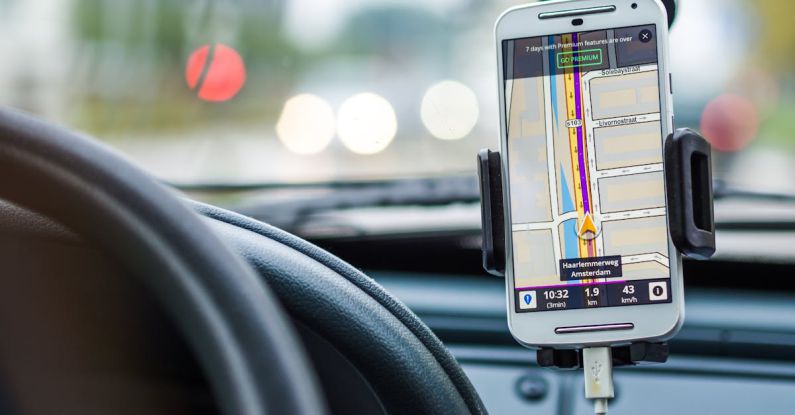
Picture yourself out on the open water, the vast expanse of the ocean stretching out around you. Whether you are a seasoned sailor or a novice boater, having the right marine GPS (Global Positioning System) on board is crucial for a safe and enjoyable journey. With so many options available on the market, choosing the right marine GPS can be overwhelming. In this article, we will guide you through the key factors to consider when selecting the perfect marine GPS for your needs.
Understanding Your Needs
Before diving into the world of marine GPS devices, it is essential to assess your specific needs and requirements. Consider the type of water activities you will be engaging in, the size of your vessel, and the areas where you will be navigating. Are you a recreational boater looking for basic navigation assistance, or are you a professional mariner in need of advanced features for precision navigation? Understanding your needs will help you narrow down your options and find a GPS device that meets your requirements.
Satellite Coverage and Accuracy
One of the most critical factors to consider when choosing a marine GPS is satellite coverage and accuracy. Look for a GPS device that offers reliable satellite coverage in the areas where you will be navigating. A GPS with access to multiple satellite systems, such as GPS, GLONASS, and Galileo, will provide more accurate positioning data, especially in challenging environments with obstructed views of the sky.
Display and User Interface
The display and user interface of a marine GPS are essential for ease of use and readability, especially in varying weather conditions and lighting. Opt for a GPS device with a bright and high-resolution display that is easy to read in direct sunlight. Touchscreen displays are user-friendly and intuitive, allowing for seamless navigation through menus and functions. Consider the size of the display as well, ensuring that it is large enough to view important information at a glance.
Mapping and Chartplotting Features
Mapping and chartplotting features are crucial for navigating safely on the water. Look for a marine GPS that offers detailed mapping capabilities, including charts of coastal areas, water depths, navigation aids, and points of interest. Some GPS devices also come with advanced features like automatic routing, tide and current information, and 3D chart views. Consider your navigation needs and choose a GPS device that provides the necessary mapping and chartplotting features for your journeys.
Connectivity Options
In today’s digital age, connectivity options are becoming increasingly important for marine GPS devices. Look for a GPS that offers connectivity features such as Wi-Fi, Bluetooth, and NMEA 2000 compatibility. These features allow you to connect your GPS to other devices, such as smartphones, tablets, and onboard systems, for data sharing and integration. Some GPS devices also support wireless updates for maps and software, ensuring that your device is always up to date.
Durability and Water Resistance
When choosing a marine GPS, durability and water resistance are key considerations, given the harsh conditions of the marine environment. Look for a GPS device that is ruggedly built and designed to withstand exposure to water, salt, and UV rays. Ensure that the GPS device meets industry standards for water resistance, such as IPX7 or IPX8 ratings, to ensure reliable performance in wet conditions. A durable and water-resistant GPS will provide peace of mind and longevity for your boating adventures.
Price and Value
Finally, consider the price and overall value of the marine GPS device you are considering. While it may be tempting to opt for the cheapest option available, investing in a quality GPS device from a reputable brand will ensure reliability and performance over the long term. Compare the features, specifications, and customer reviews of different GPS devices to determine the best value for your budget.
Choosing the Right Marine GPS for You
Selecting the right marine GPS is a crucial decision that can enhance your boating experience and safety on the water. By considering factors such as satellite coverage, display quality, mapping features, connectivity options, durability, and price, you can find a GPS device that meets your specific needs and requirements. Whether you are navigating coastal waters, offshore seas, or inland lakes, the right marine GPS will be your trusted companion for safe and enjoyable voyages on the water.